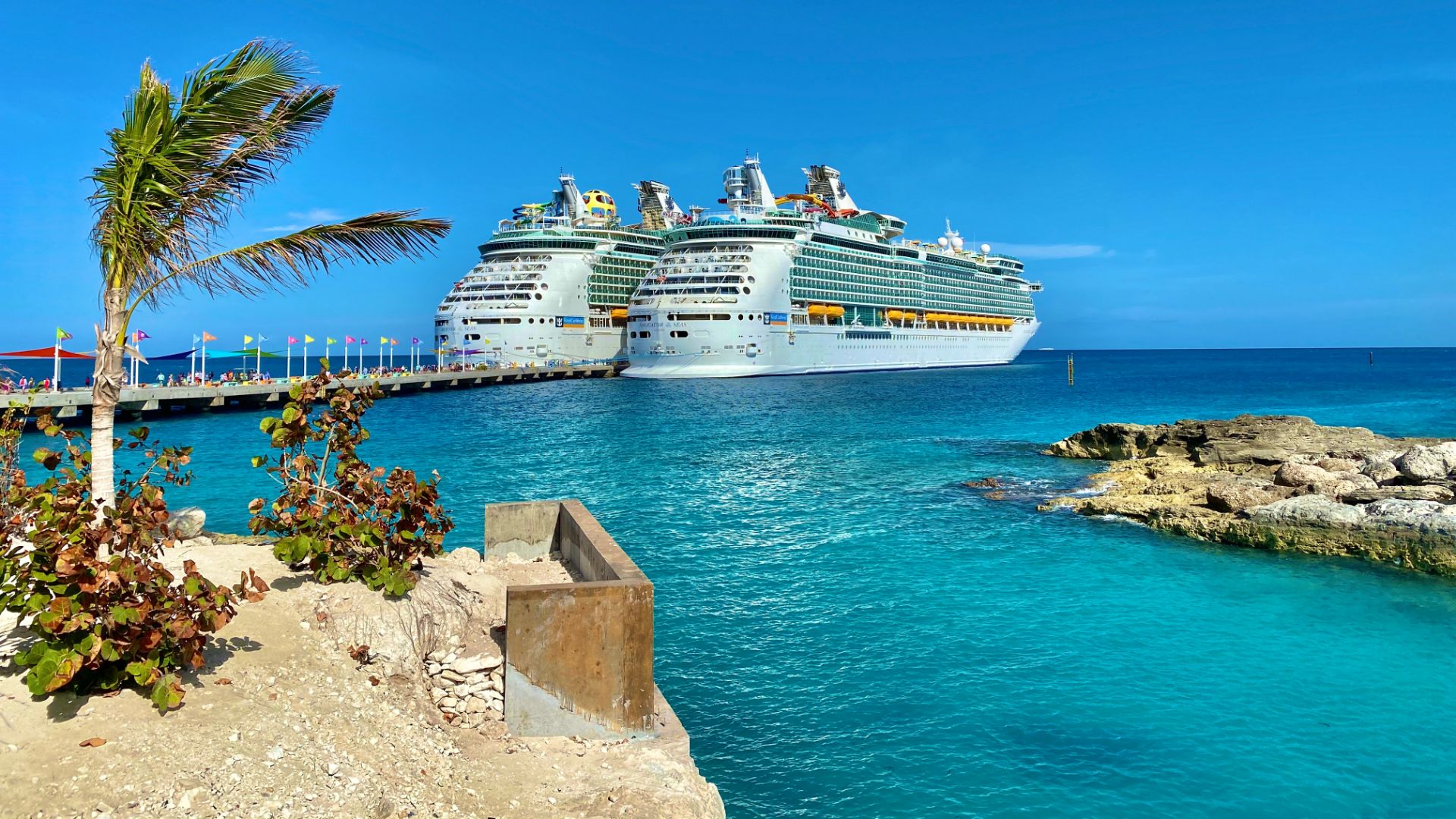
Impact analysis in maritime and blue economy ventures is a critical process that ensures sustainable development and environmental stewardship. The blue economy, encompassing economic activities that depend on the sea, is a significant contributor to global prosperity, supporting sectors such as tourism, maritime transport, energy, and fishing. The importance of impact analysis in this domain cannot be overstated, as it helps to identify, predict, and mitigate the potential negative effects of maritime projects on the environment and society. Various types of impact assessments may be conducted, including Environmental Impact Assessments (EIAs), which are crucial for gaining a comprehensive understanding of the significant effects of a development on the environment. These assessments can range from screening and scoping to detailed studies evaluating the magnitude and significance of potential impacts.
Maritime operations, particularly those involving port, harbor, and marina developments, require rigorous EIAs to ensure compliance with environmental regulations and to safeguard marine ecosystems. The process involves several stages, including defining the project, identifying potential environmental issues, scoping, consultation, assessment of effects, and the production of an Environmental Statement or Preliminary Environmental Information Report for large projects. Additionally, specific assessments such as Water Framework Directive (WFD) assessments, Habitat Regulations Assessment (HRA), and Marine Conservation Zone (MCZ) assessment may also be necessary, depending on the project’s scope and location.
- Improve sales and operations and production planning: The teams focused their efforts on a few of the highest-value S&OP levers in order to review the current planning process, identify gaps in the planning infrastructure and analytically understand demand and supply variability.
- Optimize the supply chain for perfect order planning: The diagnostic determined the stressors that affected sales and service levels. The teams focused on resolving issues related to higher-than-normal back-orders and lead times, which stressed the entire supply chain and led to delays in medications reaching consumers.
- Determine the right inventory level: The teams focused their efforts on a few of the highest-value S&OP levers in order to review the current planning process, identify gaps in the planning infrastructure and analytically understand demand and supply variability.
- Optimize the supply chain for perfect order planning: The diagnostic determined the stressors that affected sales and service levels. The teams focused on resolving issues related to higher-than-normal back-orders and lead times, which stressed the entire supply chain and led to delays in medications reaching consumers.
- Reduced lead time by 43%
- Decreased variability by 50%
- Lowered the risk of back-order by 95%
- Increased stock for finished goods by 10%
- Decreased variability by 50%
- Lowered the risk of back-order by 95%