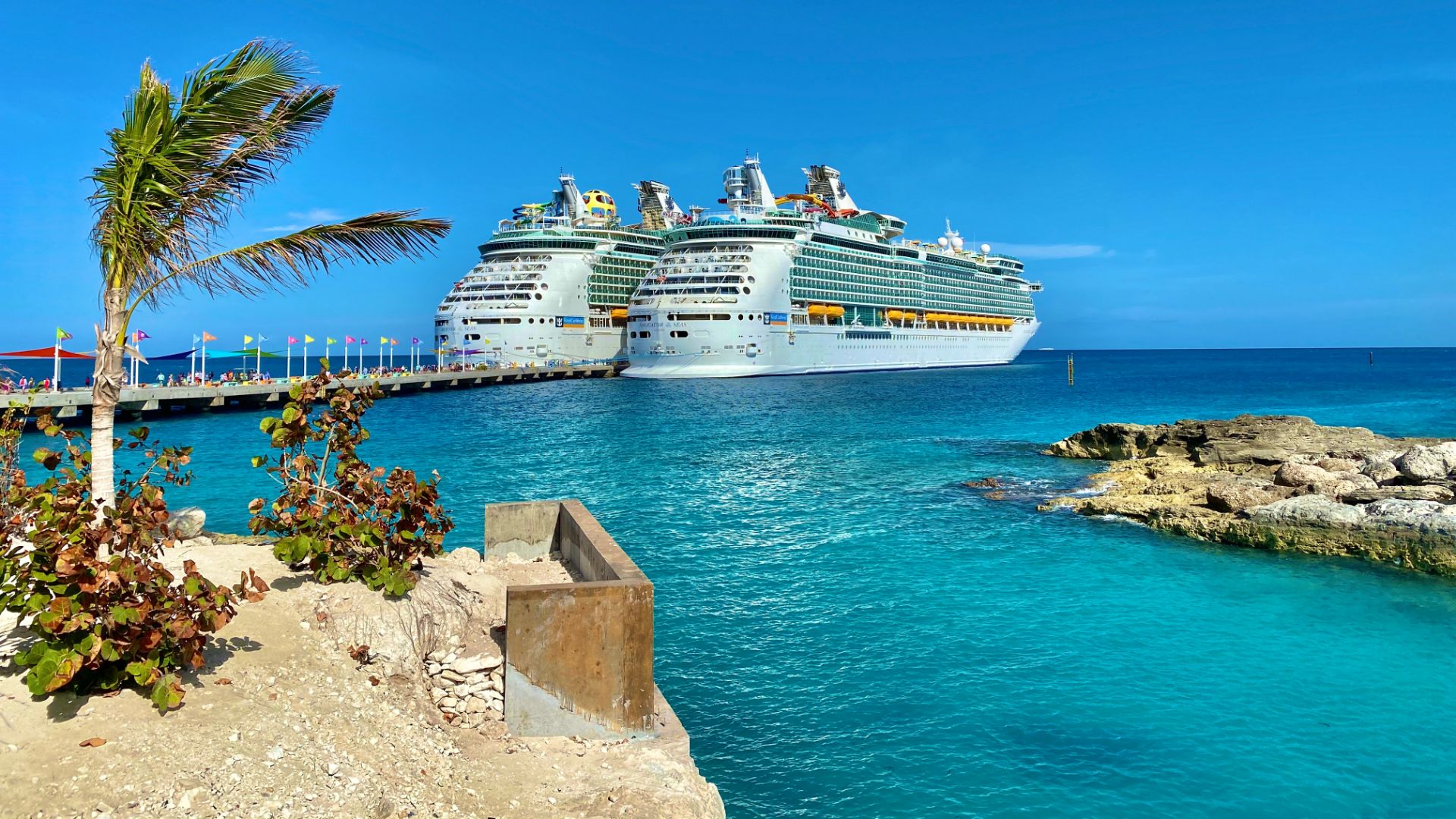

Digital twins in the maritime sector represent a significant technological advancement, offering a dynamic digital representation of ships, ports, and logistics systems. These sophisticated models simulate the real-world characteristics and behaviors of maritime assets, allowing for enhanced decision-making and operational efficiency. By integrating real-time data from the Internet of Things (IoT), digital twins can optimize fleet management, port operations, and the entire supply chain. They provide a safe environment to test interventions and predict outcomes without the risk of physical or financial harm. This innovation not only improves situational awareness for stakeholders but also supports the development of standards for a more integrated and sustainable maritime industry.
The Emergence of Digital Twins in the Maritime Sector: Navigating the Future with Virtual Modeling
The maritime sector, a pivotal component of global trade and logistics, is undergoing a digital revolution, spearheaded by the adoption of digital twins. These advanced virtual models serve as the digital counterparts to physical maritime assets, encompassing ships, ports, and logistics systems. The implementation of digital twins marks a significant leap forward in the industry, offering a myriad of benefits that promise to reshape maritime operations.
Digital twins are not merely static replicas; they are dynamic and evolving digital entities that mirror the real-time status and performance of their physical counterparts. By harnessing data from various sources, including the Internet of Things (IoT), these models provide a comprehensive and accurate representation of maritime assets. This integration of real-time data facilitates a level of asset modeling, dynamic monitoring, and predictive maintenance previously unattainable, paving the way for unprecedented operational efficiency and decision-making capabilities.
One of the most compelling advantages of digital twins in the maritime sector is their ability to preemptively identify potential challenges. By simulating the characteristics and behaviors of maritime assets, operators can anticipate issues before they manifest, allowing for proactive measures to be taken. This foresight is instrumental in optimizing operations, enhancing safety, and ultimately improving the overall efficiency of maritime activities.
The optimization extends beyond mere asset management. Digital twins revolutionize fleet management, port operations, and the entire supply chain. The result is a significant reduction in operational costs, bolstered safety measures, and an improvement in asset performance. Moreover, digital twins offer a risk-free environment to test potential interventions and predict outcomes, thereby mitigating the risk of physical or financial harm.
The strategic evaluation of scenarios and the testing of changes prior to substantial investments are other key features of digital twins. This capability significantly reduces the risk of downtime and its associated costs, ensuring that the maritime sector remains resilient and adaptive to changing circumstances. The innovation brought about by digital twins not only enhances situational awareness for stakeholders but also fosters the development of standards that promote a more integrated and sustainable maritime industry.
In conclusion, the integration of digital twins in the maritime sector is not just a trend; it is a transformative force that is redefining the landscape of maritime operations. As businesses navigate the complexities of the industry, digital twins stand as a beacon of innovation, guiding the sector towards a more efficient, safe, and sustainable future. The maritime sector’s journey with digital twins is just beginning, and its full potential is yet to be realized. However, one thing is certain: digital twins will play a pivotal role in steering the industry into a new era of digital excellence.
As Small Island Developing States (SIDS) continue to navigate the complex challenges and opportunities presented by tourism development, it is essential that stakeholders in the Caribbean take a strategic approach to cultivating effective public-private community partnerships that can lead to resilient and sustainable prosperity. To this end, the 5-step process for effective PPCPs serves as an invaluable roadmap for success. By embracing this framework, SIDS can unlock the full potential of tourism as a powerful driver of sustainable development, driving economic growth, creating jobs, and improving the livelihoods of local communities. Through careful planning, collaboration and innovation, SIDS in the Caribbean can build a tourism industry that is both economically and environmentally sustainable, creating a legacy of prosperity for future generations.
Our team includes Maritime Consultants, Blue-Economy Consultants,
researchers, research analysts, and more.